What Should You Do When a Clearwater State Park Rental Smells?
A portable toilet that smells too strong needs a quick check of its contents, cleanliness, and service timing. Keep the door closed when the unit is not in use, avoid putting trash or wipes in the bowl, and report a persistent odor rather than covering it with household chemicals. Short-term steps help, but they do not replace a pump-out or cleaning when the tank needs service.
Winter storms can bring strong wind and driving rain around Forks, so check that the cabin door closes and the unit has not shifted after a storm. Near Clearwater State Park, confirm a unit’s position and service access with the site contact before moving it. If a unit serving visitors near Forks Community Hospital continues to smell after basic checks, tell the rental operator what you notice and when it began; that helps determine whether the next visit should be a cleaning or a pump-out.
Why does damp ground matter for odor control?
A toilet that starts smelling after rain may need attention for more than one reason. Persistent damp soil can complicate portable-toilet placement: a cabin that settles or leans can become harder to use and service, so ask the site contact to check whether it remains level before anyone tries to move it. Don’t drag a loaded unit yourself.
Near Forks, an odor report should include the location and access conditions, not just “it smells.” We’ve found that a clear landmark or site entrance helps crews identify a unit, especially when several are placed across a large jobsite. If the ground is soft, tell us before a service visit so we can plan the approach. Keep the pump truck’s path clear.
Can you reduce odors between scheduled cleanings?
Yes keep the cabin tidy, use the toilet as intended, and report changes promptly. Put toilet paper in the dispenser rather than leaving it on the floor, and keep food wrappers, wipes, and other trash out of the waste holding tank.
Those items can add mess and make a routine service harder. Do not pour bleach, drain cleaner, or other chemicals into the unit; they can interfere with the treatment product and create a handling hazard.
In Forks, summer is typically drier than winter, but a drier stretch does not mean a busy unit can wait indefinitely for service. A cabin used heavily near the Hoh Rain Forest may need attention sooner than a lightly used one elsewhere.
For practical planning, see our guide to how often a portable toilet holding tank needs pumping. Tell the operator how many people use the unit and whether the smell is constant or strongest after peak use.
When is a service visit the right fix?
A quick wipe of a small spill is a reasonable DIY task if the area is accessible and you have suitable gloves and cleaning supplies. Call the rental crew when the odor persists after tidying, the tank appears full, waste is visible outside the bowl, or the unit has been tipped or damaged.
Do not open or handle the tank. A trained operator can assess whether cleaning, a vacuum pump-out, or a placement adjustment is needed.
Forks Avenue is a useful location reference when arranging service in town; give the crew the site address or entrance as well, rather than relying on a landmark alone. We use that information to match the service request to the correct unit and plan access. For a smell that returns well before the next visit, ask us to review the service interval against actual use.
What should you tell the service crew?
Give the unit’s exact location, when the odor began, how many people use it, and whether you see a spill, damage, or a full tank. Those details help distinguish a housekeeping problem from a service issue. Near the Forks Visitor Information Center, for example, a nearby reference point can help identify which cabin you mean, but it does not replace the unit’s site location.
We also ask about ground conditions and the truck route. A unit placed in the wrong spot can be difficult to reach for routine service, so keep access open and ask before relocating it.
The Olympic National Forest draws visitors and crews to varied sites; sharing the specific entrance and any placement concern helps us plan a practical service visit. Our Forks rain and portable-toilet placement guide covers how site conditions can affect access.
Which Service Option Helps When a Toilet Smells?
If a standard cabin smells between visits, first identify whether the problem is routine use, a full tank, or a site condition; the right response depends on the cause. These options address different needs.
U.S. Route 101 is a useful reference when describing a site’s general approach, but provide the actual entrance for service planning.
Coastal sites such as First Beach face more wind and salt exposure, so report a shifted or damaged cabin instead of trying to reposition it yourself. If an event is near Forks Outfitters, identify the specific site and unit; a familiar business name alone may not tell the crew where to go.
| Option | Best for | Key detail |
|---|---|---|
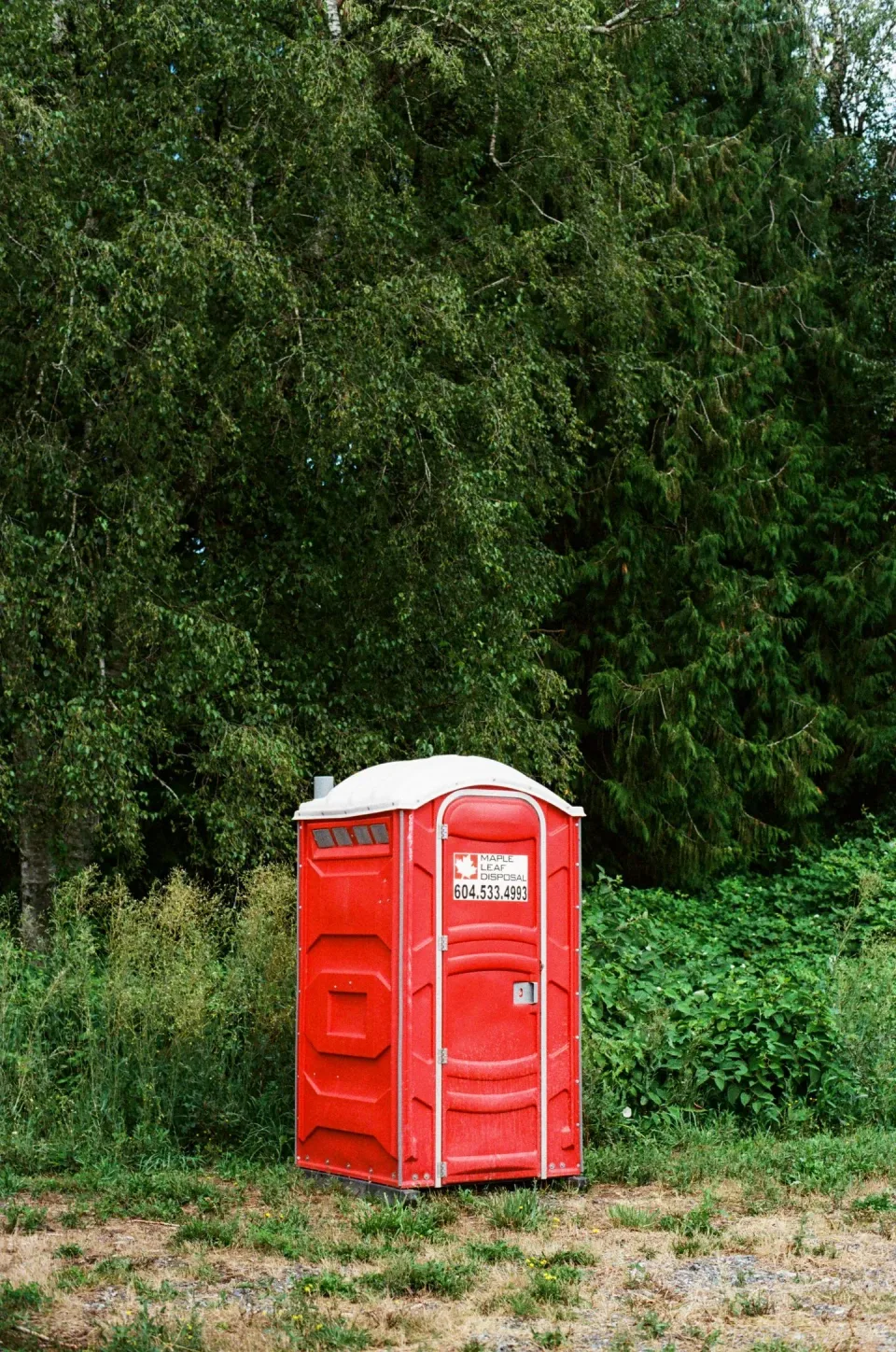
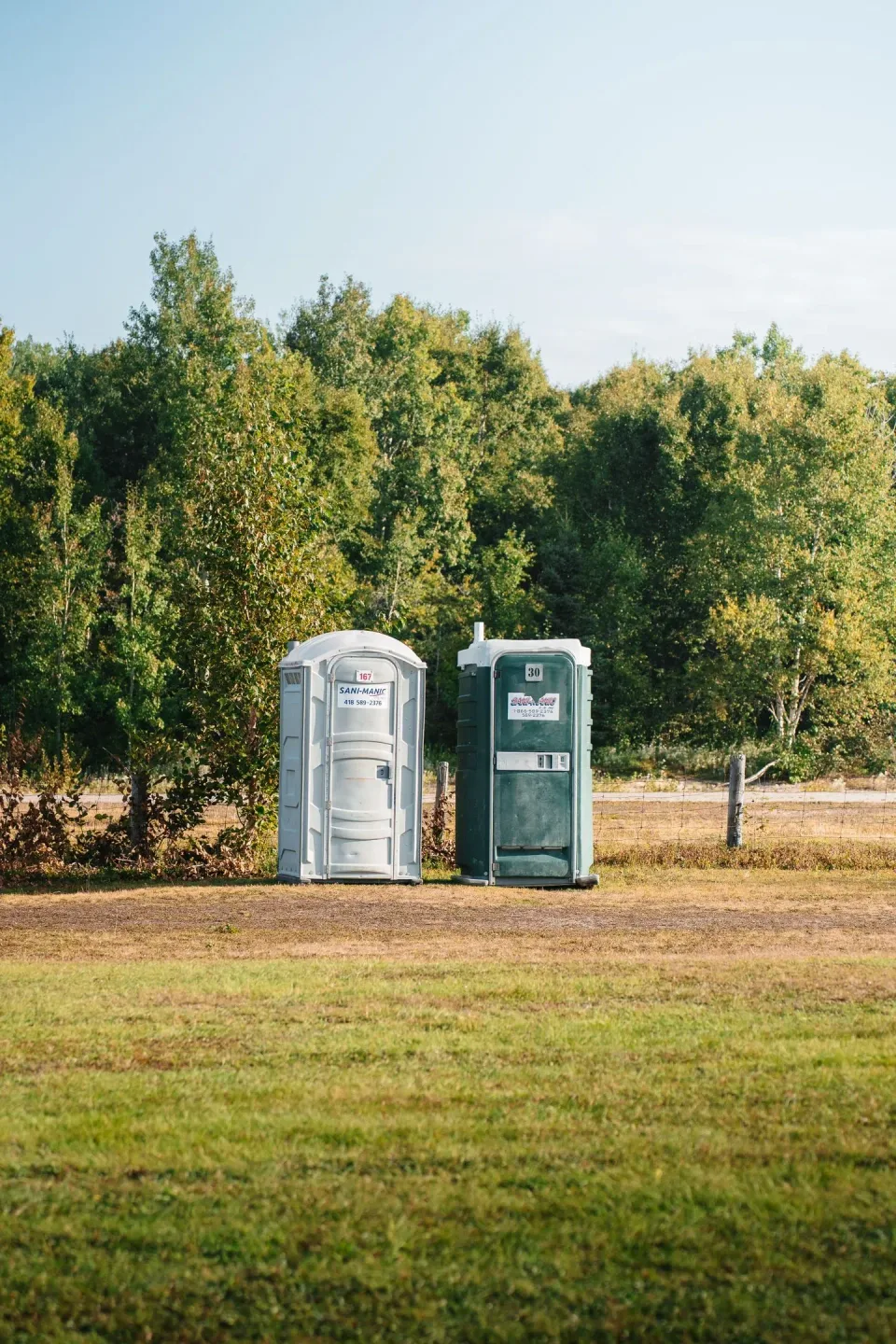
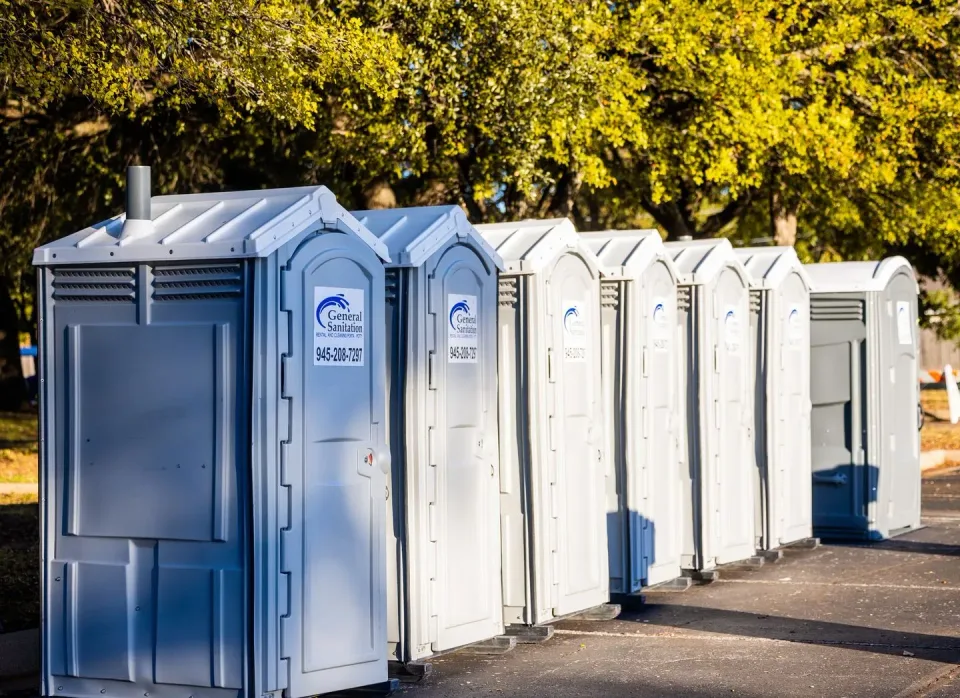
| Standard construction-site portable toilet | Routine jobsite use | Standard cabin is approximately 4 by 4 feet; tank capacity is approximately 50 gallons |
| ADA-accessible portable toilet | Accessible restroom needs | Cabin is approximately 5 by 7 feet with wheelchair access |
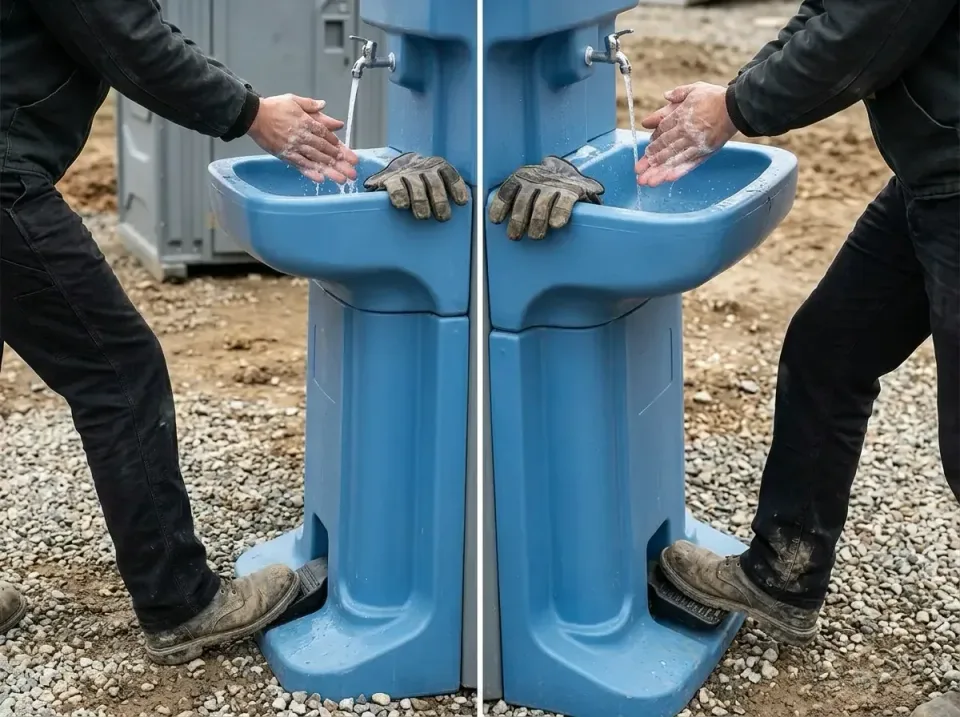
| Handwash station rental | Adding sink access | Freshwater capacity varies by model |
| Restroom trailer rental | Indoor-style amenities | Available from single-stall to multi-stall |
| Portable toilet pumping service | A full tank or odor that persists | Scheduled service is planned; on-call service is reactive when available |
Before choosing, ask what type of service the odor indicates and confirm the crew can reach the unit.
How to Prepare a Forks Site for Odor Service
-
Identify the cabin: Send the rental crew the exact site address, unit location, and site contact so they can find the right toilet.
-
Describe the symptom: Note when the smell began and whether you see overflow, damage, or a shifted unit; this helps distinguish a routine cleaning from a pump-out request.
-
Check the approach: Cool summers can delay drying of ground and materials, so flag soft or unstable areas before a truck is dispatched.
-
Keep access open: At sites near Forks Airport, tell the contact where the cabin sits and keep its service side reachable; don’t move a loaded unit yourself.
-
Inspect the surroundings: High humidity can encourage moss and mildew on shaded surfaces, so check for slippery footing around the cabin and mention it to the crew.
-
Plan for seasonal conditions: Freezing conditions can affect water lines and handwash stations, so report a frozen or nonworking station along with the odor concern. If a site is near Kalaloch Lodge, share the actual delivery location rather than assuming the landmark identifies it.
When Should You Get Help With a Smelly Portable Toilet?
If a cabin keeps smelling after you remove trash and report the problem, ask for service instead of masking the odor. A standard unit may hold about 60 gallons of waste, but tank capacity varies by model and manufacturer; service frequency also depends on use and site conditions. Tell the crew how many people use the toilet, when the smell started, and where the unit sits.
Near Forks Branch Library, a precise site location helps identify the unit; for sites serving people going to La Push, share the specific access point before arranging service. If you’re near Olympic National Park, include any placement or access concern in your request. Contact WA Toilet Pros at (844) 402-2049 to discuss a service plan, or see our portable toilet cleaning service.